From Farm to Port: Mastering the Logistics of Agricultural Commodities 🚜🚢
The journey of a commodity, such as wheat, corn, or sugar, from the field to a global port is a delicate and complex process. Consequently, the success of any international trade deal hinges entirely on getting the product to its destination on time and in perfect condition. Navigating this vast network requires specialized knowledge and precision. At Crestmont Group, we recognize that the logistics of agricultural commodities are not just a transport issue—they are a core determinant of profitability and risk management.
The Unique Challenges of Agricultural Logistics
Unlike industrial goods, agricultural commodities present unique challenges due to their nature. They are often perishable and must be handled in massive volumes, which introduces significant risk. For instance, poor handling or temperature control can quickly spoil an entire shipment. Furthermore, these commodities rely heavily on a perfect supply chain:
- Vulnerability: Products face constant threats from humidity, pests, and climate-related storage issues.
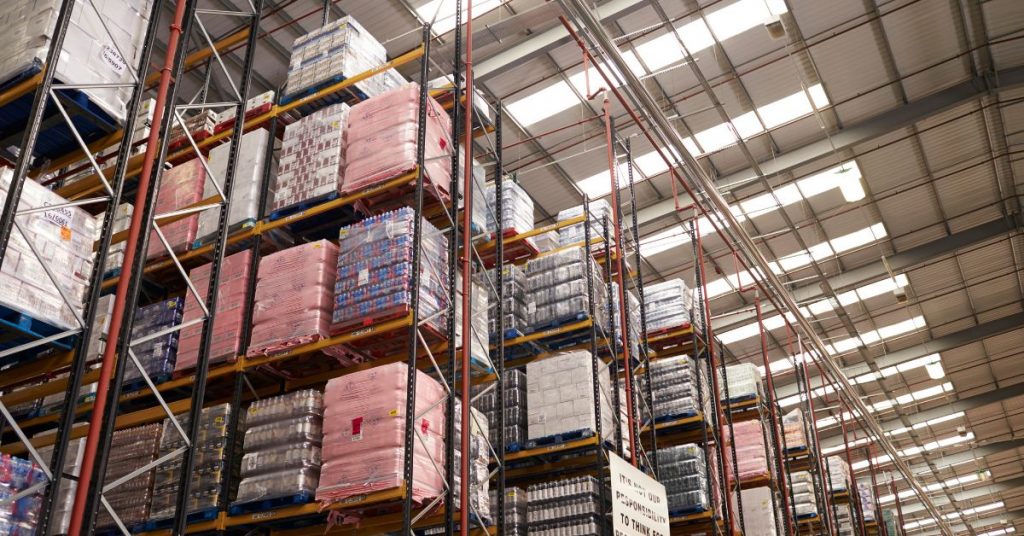
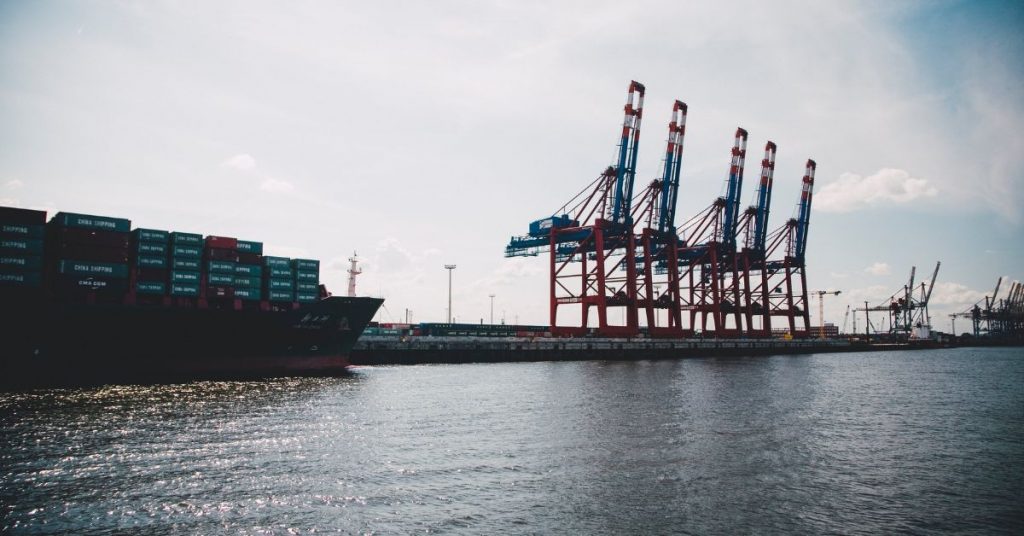
- Scale: Handling millions of tons requires sophisticated storage and port infrastructure.
- Regulations: Every shipment must comply with the import rules of the destination country.
Crestmont’s Solution: Integrated Trade Management
We address the complexity of the logistics of agricultural commodities by integrating our trade and finance expertise into the physical movement of the goods. We start by ensuring we work with reliable partners. Therefore, our strategy is intrinsically linked to verifying supplier reliability before any contract is finalized.
Moreover, every step in the process is subject to rigorous checks. We meticulously audit storage facilities, transportation providers, and port handling agents. This dedication to secure handling is a vital layer of protection for our clients. We also ensure that every shipment adheres to the standards of agricultural trade compliance, which we detail in another article.
Key Elements of Successful Logistics
Mastering the logistics of agricultural commodities requires focus on specific, actionable steps. We employ a comprehensive approach that includes:
- Quality Vetting: We actively verify warehouses for cleanliness and capacity, minimizing loss and spoilage.
- Accurate Documentation: Timely and error-free paperwork is crucial to avoid customs delays and demurrage fees. You can find key information on this process from global trade bodies like the World Trade Organization (WTO).
- Adaptive Planning: We constantly monitor global shipping routes and port congestion. In the event of unexpected delays or geopolitical developments, we swiftly adapt the shipping schedule to protect the commodity’s integrity and value.
Ultimately, this integrated strategy ensures that we turn potential uncertainty into manageable variables, guaranteeing continuity of supply and cost efficiency for our clients.
Ready to transform the logistics of agricultural commodities into a competitive advantage? Contact Crestmont Group today to secure your resilient and efficient supply chain.