Stockpile Swings: Why Global Stockpiles Drive Volatility in the Sugar Market 📈📉
The global sugar market is notoriously unstable. Consequently, prices can surge or collapse based on perceived scarcity or abundance. At the heart of this instability lies the management of global stockpiles—the amount of sugar held in reserve worldwide. Therefore, understanding Sugar Market Volatility requires deep insight into these supply dynamics. At Crestmont Group, we actively monitor these reserves. We help our clients anticipate price swings and secure profitable positions in a highly reactive market.
The Global Stockpile Mechanism
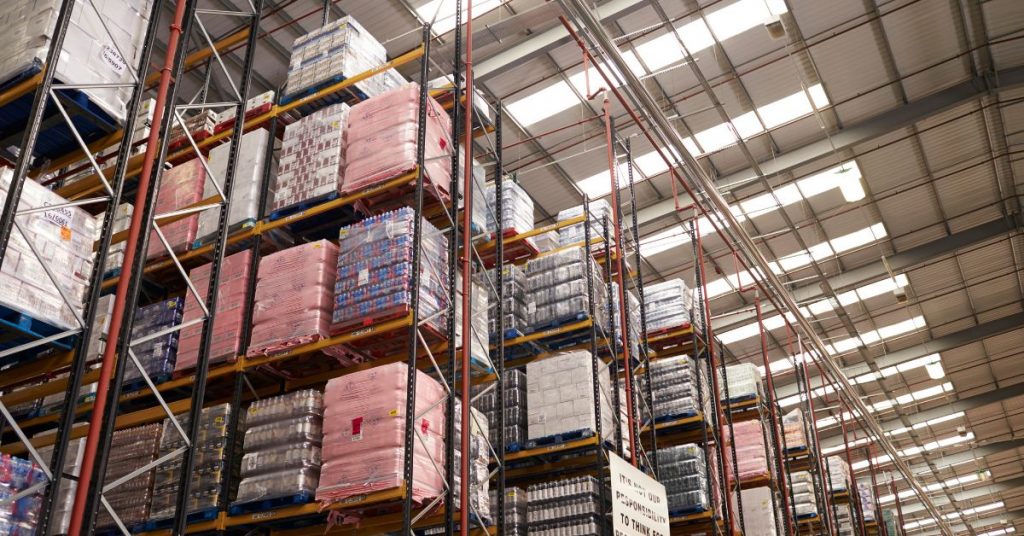
Global sugar stockpiles act as a crucial buffer. Essentially, they measure the inventory available to meet world demand. When production exceeds consumption, stockpiles grow, signaling future supply abundance. Conversely, when major producers experience crop failures, stockpiles shrink rapidly. This triggers immediate price spikes. For instance, a poor monsoon season in a major producing country like India or Brazil directly and instantly impacts the global inventory forecast. This forecast is the primary driver of Sugar Market Volatility.
You can find current stockpile forecasts and production estimates from organizations like the International Sugar Organization (ISO).
The Amplifying Effect of Market Sentiment
Sugar Market Volatility is amplified by market sentiment. When traders anticipate a large surplus, they aggressively sell futures contracts. This drives prices down. Conversely, if a major producing region issues a severe weather warning, traders panic-buy. This causes prices to soar far beyond what the actual supply disruption might warrant. Therefore, the mere perception of a change in stockpiles can be as powerful as the physical change itself.
Furthermore, currency movements compound this issue. Since sugar is priced in US dollars, a weakening dollar makes the commodity cheaper for foreign buyers. Consequently, this often boosts international demand, which further reduces stockpiles and intensifies Sugar Market Volatility. This linkage highlights the importance of managing FX Risk, a topic we cover in detail in another article.
Crestmont’s Strategy for Managing Sugar Market Volatility
We advise our clients to manage Sugar Market Volatility through meticulous sourcing and financial hedging. Firstly, we stress the importance of multi-origin sourcing. This strategy minimizes reliance on any single, climate-vulnerable producer. This aligns with our broader approach to trading in sustainable agricultural commodities.
Secondly, financial hedging is non-negotiable. Therefore, we actively use financial instruments to lock in prices. This insulates our clients from sudden market shocks. Ultimately, we transform the unpredictable nature of global stockpiles into a manageable risk variable. We ensure our clients maintain budget stability and secure competitive pricing.
Ready to navigate the sugar market with confidence? Contact Crestmont Group today to see how our insights into Sugar Markets Volatility can help you secure profitable trade positions.