Global Threat: The Impact of Climate Change on Commodity Supply Chains 🌡️
Climate Change represents one of the most severe, non-market risks facing global trade today. Extreme weather, shifting agricultural zones, and resource scarcity are directly disrupting the flow of essential commodities. Consequently, businesses that fail to integrate climate risk into their strategic planning face immediate threats to profitability and long-term stability. At Crestmont Group, we view mitigating The Impact of Climate Change on Commodity Supply Chains as a strategic imperative. We help our clients build resilient operations that withstand this evolving global challenge.
Climate Change: A Direct Threat to Supply
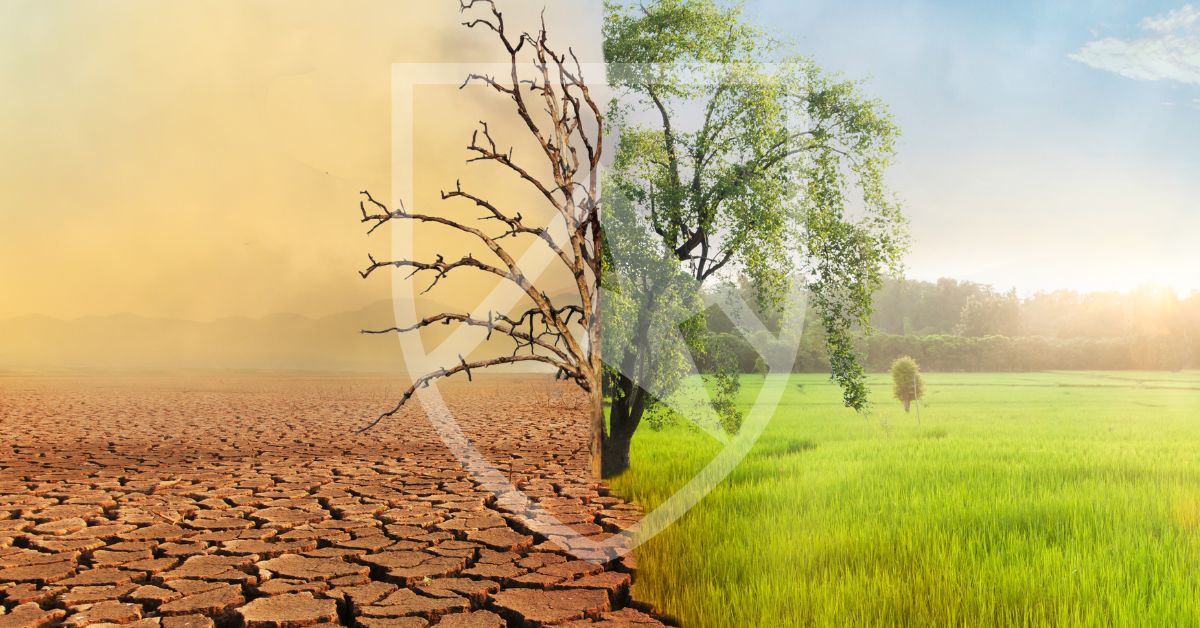
The primary threat of Climate Change is supply disruption. For instance, rising global temperatures and unpredictable rainfall directly impact agricultural output. Droughts can severely reduce yields of wheat and corn. Flooding can destroy transport infrastructure, making it impossible to move agricultural commodities to port. Furthermore, this vulnerability extends beyond food. Extreme heat affects energy infrastructure and mining operations. This instability makes securing reliable supplies far more challenging.
Therefore, businesses must prioritize trading in renewables and diversifying sourcing. This helps reduce dependence on single, climate-vulnerable regions. You can find detailed projections on these supply threats in reports from the Intergovernmental Panel on Climate Change (IPCC).
Increased Financial and Operational Risk
The Impact of Climate Change on Commodity Supply Chains translates directly into heightened financial and operational risk.
- Price Volatility: When supply becomes constrained, prices surge unpredictably. Consequently, this forces businesses to pay premium rates or face shortages. Our expertise in navigating price spikes is essential here. We use advanced hedging tools to lock in costs.
- Trade Finance Risk: Lenders view climate-exposed supply chains as riskier. Therefore, trade finance in emerging markets—which often includes climate-vulnerable agricultural regions—becomes more expensive and difficult to secure. We help clients mitigate this by proving asset security.
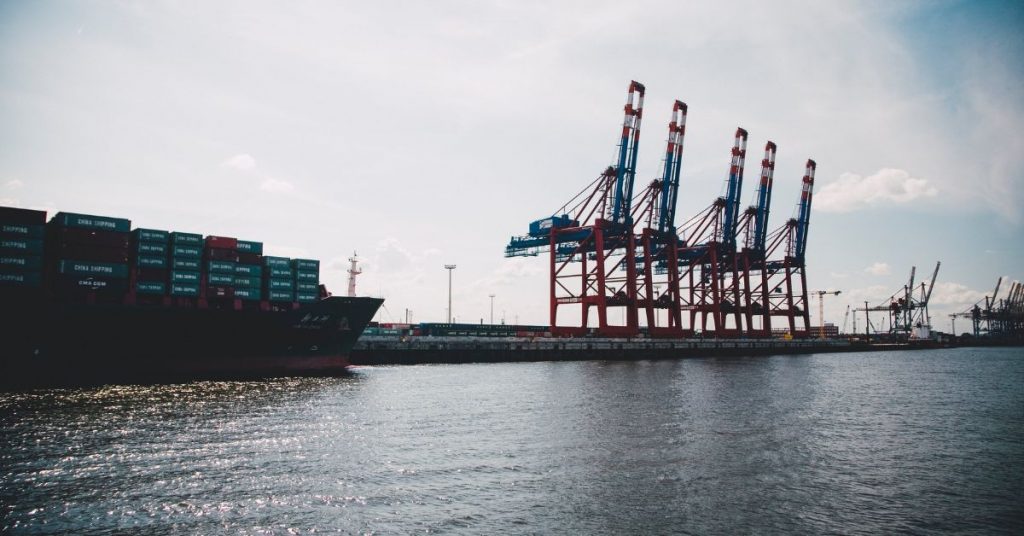
- Logistical Bottlenecks: Rising sea levels and severe storms disrupt port operations and maritime routes. Consequently, this leads to costly delays and increased demurrage fees. This severely impacts the effective management of transit goods.
Building Resilience Against Climate Change
We advise our clients to build resilience through proactive adaptation. Firstly, we advocate for multi-origin sourcing. This strategy ensures that a crop failure in one region does not halt the entire operation. Secondly, we stress the importance of verifiable sourcing. Furthermore, this commitment to sustainable sourcing and transparent supply chains attracts favorable “green” financing options.
Ultimately, addressing The Impact of Climate Change on Commodity Supply Chains is a strategic necessity. We integrate climate intelligence with financial planning, transforming an external threat into a manageable risk within our risk management sustainable growth framework. This disciplined approach ensures continuity and profitability for the long term. You can learn more about climate risk and finance from institutions like the Task Force on Climate-related Financial Disclosures (TCFD).
Ready to future-proof your supply chain? Contact Crestmont Group today to see how we help your business mitigate The Impact of Climate Change on Commodity Supply Chains and secure competitive advantage.